


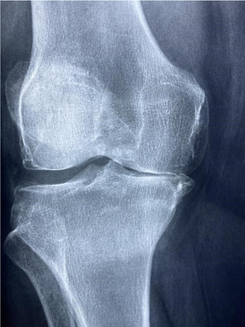
Common Causes of Knee Pain: Treatment Options in NJ
Share this Post
The Most Common Causes of Knee Pain and Non-Surgical Treatment Options
Knee pain affects millions of Americans every year, limiting mobility and reducing quality of life. Whether you experience knee pain when walking, climbing stairs, or after exercise, understanding what causes knee pain is the first step toward finding effective treatment. As a leading pain management and regenerative medicine practice serving Northern New Jersey, Core Medical & Wellness helps patients identify the root causes of knee pain and provides innovative, non-surgical treatment options that deliver lasting relief.
Quick Fact: More than 25% of adults experience frequent knee pain, making it one of the most common musculoskeletal complaints. The good news? Many causes of knee pain can be treated effectively without surgery using regenerative medicine approaches like PRP therapy and stem cell treatments.
Understanding Knee Pain: Why It Is So Common
The knee is the largest joint in your body and one of the most complex. It bears your full body weight with every step, absorbing shock and enabling movement in multiple directions. This constant stress makes the knee particularly vulnerable to injury, degeneration, and pain.
Several factors contribute to knee pain prevalence:
- High mechanical stress: Your knees support 1.5 times your body weight when walking and up to 4 times your body weight when climbing stairs
- Complex anatomy: The knee joint includes bones, cartilage, ligaments, tendons, and fluid-filled sacs that all work together
- Age-related changes: Wear and tear accumulates over decades of use
- Modern lifestyle factors: Sedentary behavior, obesity, and repetitive stress from certain activities
The 5 Most Common Causes of Knee Pain
1. Arthritis and Age-Related Joint Degeneration
As we age, the structures in our knees lose elasticity and the protective cartilage wears down. This leads to bones rubbing together, causing pain, inflammation, and stiffness. The synovial fluid that lubricates the joint also decreases with age, reducing shock absorption.
Types of arthritis affecting the knee:
- Osteoarthritis (OA): The most common form, caused by wear and tear over time
- Rheumatoid arthritis (RA): An autoimmune condition where the immune system attacks joint tissue
- Psoriatic arthritis: Arthritis associated with the skin condition psoriasis
- Post-traumatic arthritis: Arthritis that develops after a knee injury
Key symptoms include:
- Morning stiffness lasting more than 30 minutes
- Pain that worsens with activity
- Swelling and warmth around the joint
- Grinding or clicking sensations (crepitus)
2. Traumatic Knee Injuries
Sudden trauma from sports injuries, car accidents, falls, or direct blows to the knee can damage multiple structures within the joint. Athletes who play contact sports or participate in activities involving jumping, pivoting, or sudden stops are at highest risk.
Common traumatic knee injuries include:
- ACL tears: One of the most common sports injuries, often requiring treatment
- MCL tears: Usually caused by direct impact to the outside of the knee
- Meniscus tears: Damage to the C-shaped cartilage that cushions the knee joint
- Patellar dislocation: When the kneecap slips out of place
Why immediate treatment matters: Without proper care, you risk chronic instability, accelerated arthritis development, reduced range of motion, and persistent pain that resurfaces years later.
3. Mechanical Problems and Structural Issues
Your unique anatomy and biomechanics can predispose you to knee pain. These mechanical issues often develop gradually and may not be linked to a specific injury.
Common mechanical causes of knee pain:
Iliotibial (IT) Band Syndrome: The IT band runs from your hip to your knee along the outside of your thigh. When it becomes tight or inflamed, it causes sharp pain on the outer knee. This is common in runners and cyclists.
Patellofemoral Pain Syndrome (Runner’s Knee): Pain around or behind the kneecap caused by improper kneecap tracking during movement. This is worsened by stairs, squatting, or prolonged sitting.
Flat Feet and Overpronation: Rolling your feet inward while walking puts excess pressure on the inner knee. Poor arch support can lead to misalignment throughout the lower body.
Sciatica and Referred Pain: Herniated discs in the lower back can compress the sciatic nerve. Nerve irritation can refer pain down the leg to the knee area.
4. Repetitive Stress and Overuse Injuries
Repetitive motions from manual labor, sports, or daily activities can gradually damage knee structures. Unlike acute trauma, overuse injuries develop slowly over weeks, months, or years.
Risk factors for overuse knee injuries:
- Occupations requiring prolonged kneeling (construction, plumbing, carpet installation)
- Sports with repetitive impact (running, basketball, volleyball)
- Sudden increases in activity level without proper conditioning
- Poor movement mechanics during lifting or twisting
Common overuse conditions:
Patellar Tendinitis (Jumper’s Knee): Inflammation of the tendon connecting the kneecap to the shin bone, causing pain below the kneecap.
Bursitis: Inflammation of the small fluid-filled sacs that cushion the knee, causing localized swelling, warmth, and tenderness.
5. Obesity and Excess Weight
Every pound of excess body weight places approximately 4 pounds of extra pressure on your knees with each step. This constant additional stress accelerates cartilage breakdown and increases inflammation throughout the body.
How weight affects knee health:
- Mechanical stress: Increased force on cartilage, bones, and supporting structures
- Systemic inflammation: Fat tissue produces inflammatory chemicals that worsen joint damage
- Altered biomechanics: Extra weight changes your gait pattern, creating uneven stress distribution
The good news: Research shows that losing just 10-15 pounds can significantly reduce knee pain and slow arthritis progression. For every 1 pound of weight loss, there is a 4-pound reduction in knee joint stress during daily activities.
Non-Surgical Treatment Options for Knee Pain
Once you identify the cause of your knee pain, you have numerous treatment options. While conventional medicine often defaults to pain medications or surgery, there are effective alternatives that address the root cause without the risks and downtime of invasive procedures.
Why Traditional Treatments Often Fall Short
Over-the-Counter and Prescription Medications: These provide temporary symptom relief without healing damaged tissue. They come with side effects and do not address the underlying cause of pain.
Cortisone Injections: Temporary anti-inflammatory effect lasting weeks to months. Repeated injections may actually accelerate cartilage breakdown.
Surgery: Invasive with significant recovery time, carries risks of infection and complications, and may not prevent future degeneration.
Regenerative Medicine: The Future of Knee Pain Treatment
Regenerative medicine represents a paradigm shift in treating knee pain and orthopedic conditions. Instead of masking symptoms or replacing damaged joints, regenerative therapies harness your body’s natural healing mechanisms to repair and regenerate damaged tissue.
Key advantages of regenerative medicine:
- ✓ Natural healing: Uses your own cells to promote tissue repair
- ✓ Minimally invasive: Simple injection procedure with minimal downtime
- ✓ Long-lasting results: Many patients experience relief after just 1-2 treatments
- ✓ Low risk: Minimal side effects since you use your own biological material
- ✓ No surgery required: Avoid the risks and recovery time of invasive procedures
Three Types of Regenerative Therapy for Knee Pain
1. Platelet-Rich Plasma (PRP) Therapy
How it works: Your blood is drawn and processed in a centrifuge to concentrate the platelets, which contain powerful growth factors. This platelet-rich plasma is then injected directly into the injured or degenerated knee tissue.
What PRP does: Delivers concentrated growth factors to the injury site, stimulates tissue repair and regeneration, reduces inflammation, and improves blood flow to promote healing.
Best for: Mild to moderate osteoarthritis, tendon injuries, ligament sprains, and partial meniscus tears. Most patients need 1-3 injections spaced several weeks apart.
2. Stem Cell Therapy
How it works: Mesenchymal stem cells are harvested from your own adipose tissue or bone marrow. These cells have the unique ability to differentiate into various tissue types, including cartilage, bone, and connective tissue.
Best for: Advanced osteoarthritis, significant cartilage loss, patients seeking to avoid knee replacement, and complex knee conditions with multiple damaged structures.
The Regenerative Medicine Treatment Process
Step 1: Comprehensive Evaluation
Your journey begins with a thorough assessment to identify the exact cause of your knee pain. This includes detailed medical history review, physical examination, gait analysis, review of imaging studies, and discussion of previous treatments.
Step 2: Customized Treatment Plan
Based on your diagnosis, we recommend the most appropriate regenerative therapy for your situation, considering severity of damage, your age and overall health, activity level and goals, and previous treatment response.
Step 3: Treatment Administration
Procedures are performed in our office using local anesthesia for comfort, ultrasound or fluoroscopic guidance for precise injection placement, and sterile technique. Most patients can return to light activities the same day.
Step 4: Follow-Up and Rehabilitation
Regenerative medicine works best when combined with physical therapy, home exercise programs, activity modification during healing, and nutritional support for tissue repair.
When to Seek Professional Help for Knee Pain
Schedule an appointment with a pain management specialist if you experience:
- Severe pain that limits your daily activities
- Persistent pain lasting more than a few weeks despite rest
- Swelling that does not improve with ice and elevation
- Instability or feeling like your knee might give out
- Inability to bear weight on the affected leg
- Locking or catching sensations in the knee
Early intervention can prevent minor issues from becoming chronic problems requiring more aggressive treatment.
Frequently Asked Questions About Knee Pain
What is the most common cause of knee pain?
Osteoarthritis is the leading cause of knee pain, particularly in adults over 50. However, younger individuals often experience knee pain from sports injuries, overuse, or mechanical problems.
Can knee pain go away on its own?
Mild knee pain from temporary overuse or minor strains may resolve with rest, ice, compression, and elevation. However, persistent pain lasting more than 2-3 weeks warrants professional evaluation.
How long does it take to see results from regenerative medicine?
Most patients begin experiencing improvement within 2-6 weeks after treatment, with continued improvement over 3-6 months as tissue regeneration occurs. Results vary based on the severity of your condition.
Can regenerative medicine help me avoid knee replacement surgery?
Many patients with moderate to severe osteoarthritis have successfully avoided or delayed knee replacement surgery using regenerative therapies. Results depend on the extent of joint damage and individual healing capacity.
Take the Next Step Toward Pain-Free Movement
Knee pain does not have to limit your life. Whether your pain stems from arthritis, injury, overuse, or structural issues, innovative treatment options can help you regain mobility and return to the activities you love. No surgery. No opioids. No prolonged downtime.
Core Medical & Wellness specializes in non-surgical orthopedic care and regenerative medicine for patients throughout Northern New Jersey. Our comprehensive approach combines advanced diagnostics, cutting-edge regenerative therapies, and personalized rehabilitation to address the root cause of your knee pain.
Ready to explore your treatment options?
Call us today at 201-729-0001
Schedule online or visit our practice serving Northern New Jersey