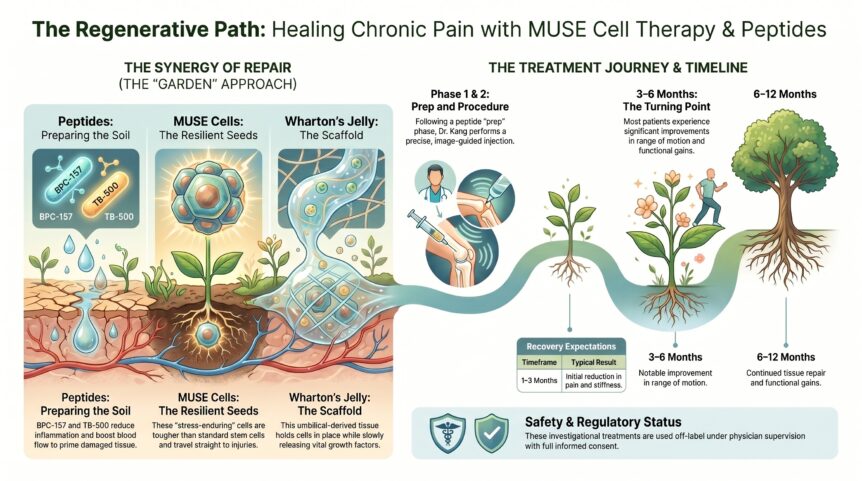
Infographic showing MUSE cell therapy, peptides, and Wharton's Jelly working together to heal chronic joint and spine pain.

MUSE Cell Therapy and Peptides: A Smarter Way to Heal Joint and Spine Pain

Richard Kang, MDBlog

Chronic joint and back pain can feel like a trap. You have tried pills. You have tried injections. Maybe surgery has even been suggested. But deep down, you want your body to heal — not just mask the pain. At Core Medical & Wellness, Dr. Richard Kang takes a different path. He combines MUSE stem cell therapy with Wharton’s Jelly …

Pain management specialist evaluating a patient with whiplash neck and back pain after a car accident

Whiplash Pain Treatment: Neck & Low Back Pain After a Car Accident

Richard Kang, MDBlog

A car accident can change your day in an instant. Even a low-speed fender bender can leave you with neck pain, headaches, and stiffness that linger for weeks or months. If you are dealing with pain after a collision, you may be experiencing whiplash — one of the most common and most misunderstood injuries we treat at Core Medical & …

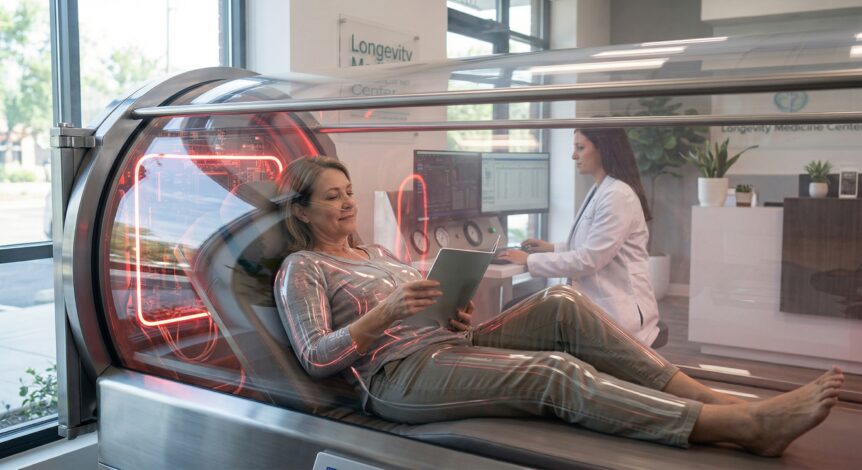
Woman relaxing inside a hard-shell hyperbaric oxygen therapy chamber while a clinician monitors treatment at a longevity medicine center

Hyperbaric Oxygen Therapy for Pain & Longevity

Richard Kang, MDBlog

If you live with chronic pain—or you’re looking for science-backed ways to age better—you may have heard about hyperbaric oxygen therapy. Also called HBOT, this treatment is gaining real traction in both pain management and longevity medicine. But how much of what you hear is backed by evidence? In this guide, we break down what HBOT is, how it works, …

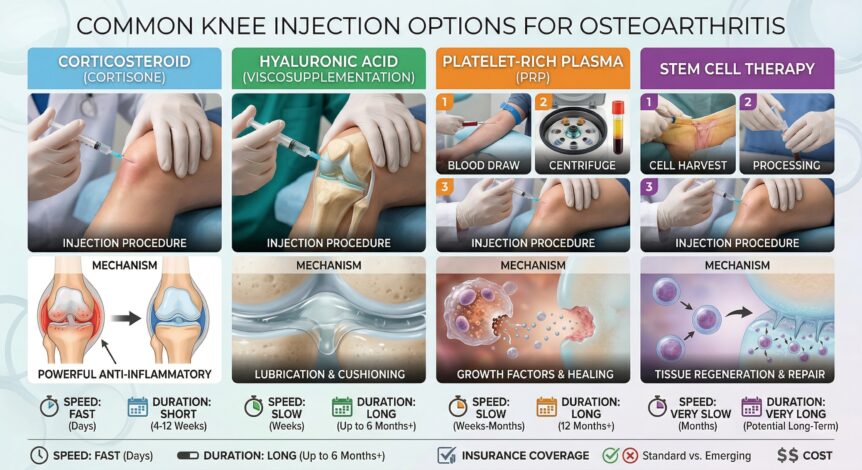
Infographic comparing four knee osteoarthritis injections: corticosteroid, hyaluronic acid viscosupplementation, PRP, and stem cell therapy with key advantages, disadvantages, and duration of relief

Knee Osteoarthritis Injections: Your Complete Guide (2026)

Richard Kang, MDBlog

If your knees have been talking back to you lately, you’re far from alone. Knee osteoarthritis affects millions of adults, and one of the first questions patients ask is: “What can we do besides surgery?” The good news is that knee osteoarthritis injections have come a long way — from trusted options like hyaluronic acid to cutting-edge regenerative therapies. Here’s …

Shoulder anatomy showing rotator cuff muscles and common pain points

Shoulder Pain Treatment Options: From Traditional to Regenerative

Richard Kang, MDBlog

Shoulder pain affects up to 26% of adults at any given time, making it the third most common musculoskeletal complaint after back and neck pain. Whether you’re dealing with rotator cuff injuries, frozen shoulder, or chronic arthritis, understanding your treatment options—from simple home remedies to cutting-edge regenerative therapies—can help you make informed decisions about your care. Understanding Shoulder Pain: Quick …

Middle-aged woman sitting on bed holding her knee in pain from menopause-related joint stiffness

Menopause and Joint Pain: How HRT and New FDA Changes Can Help

Richard Kang, MDBlog

If you are in your 40s or 50s and your knees, hands, or back suddenly ache more than they used to, you are not imagining things. More than half of women going through perimenopause and menopause report new or worse joint and muscle pain. And most of them are surprised to learn that hormones—not just aging—are a big part of …

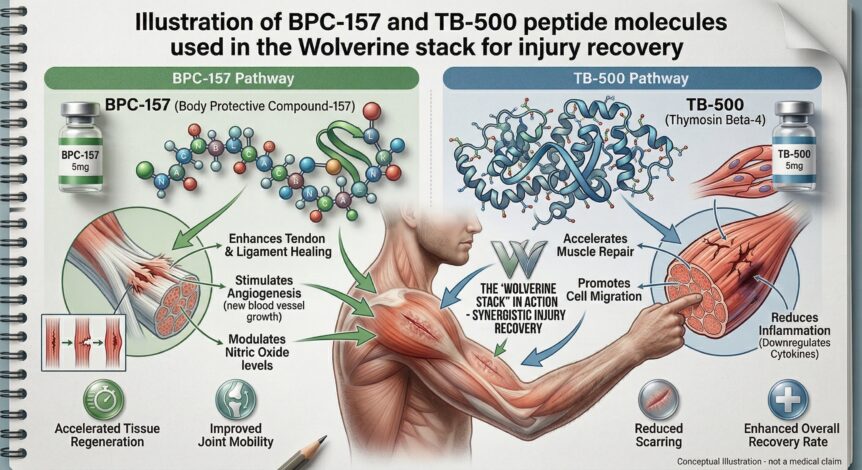
Infographic showing BPC-157 and TB-500 Wolverine stack peptide pathways for injury recovery, including tendon healing, angiogenesis, muscle repair, cell migration, and inflammation reduction

Wolverine Stack for Pain: BPC-157 + TB-500 Recovery & Chronic Pain Guide (2026)

Richard Kang, MDBlog

Medical Disclaimer: This article is for learning purposes only. It is not medical advice. BPC‑157, TB‑500, and the Wolverine stack are not approved by the FDA for any medical use. Always talk with your doctor before trying any peptide therapy. If you have a medical emergency, call 911. The Wolverine stack is one of the most talked-about peptide combos in …

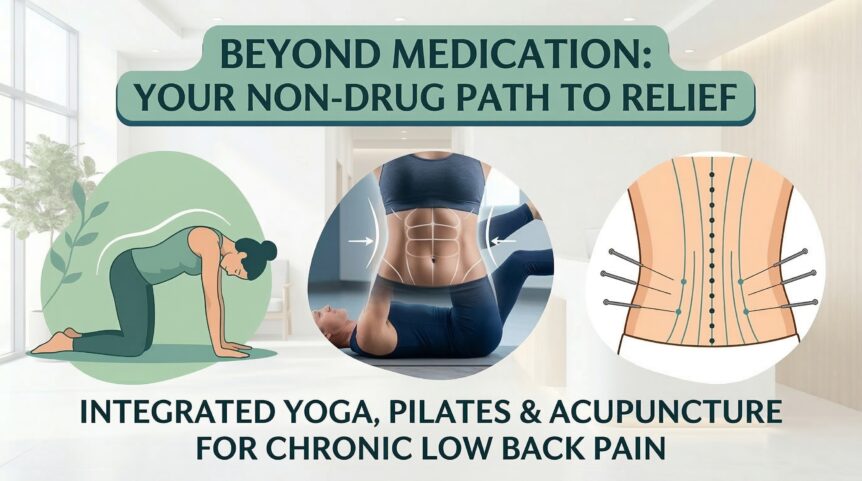
oga, Pilates, and acupuncture for chronic low back pain — three illustrated treatments showing a yoga pose, core Pilates exercise, and acupuncture needles on the lower back

Yoga, Pilates & Acupuncture for Chronic Low Back Pain: What Really Helps?

Richard Kang, MDBlog

If your lower back has been hurting for months, you are not alone. Chronic low back pain is one of the most common reasons people visit the doctor. It can make simple things—like sitting at a desk, picking up your kids, or even sleeping—feel really hard. Medicines and shots can help. But many people want other ways to feel better, …

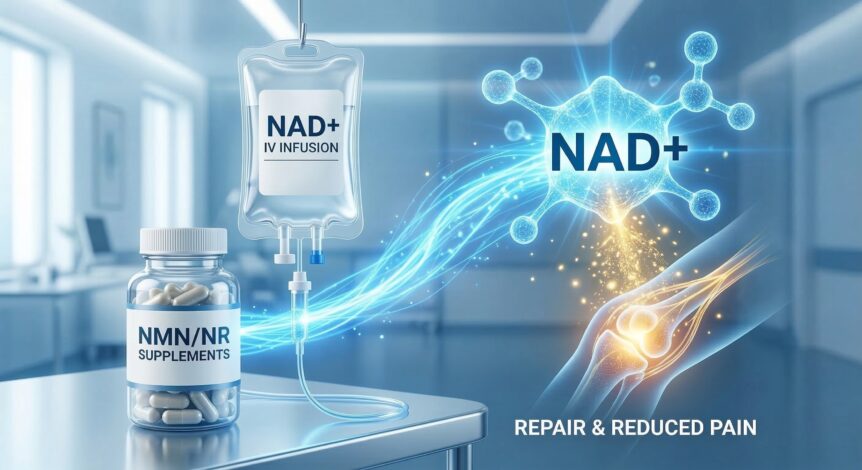
NAD+ IV infusion bag and NMN/NR supplement bottle with molecular structure and joint repair visual representing NAD+ for chronic pain management

NAD+ for Chronic Pain | What You Need to Know

Richard Kang, MDBlog

What Is NAD+ and Why Does It Matter for Pain? Your body runs on energy. Every cell needs fuel to work, heal, and stay healthy. NAD+ is a molecule that helps make that fuel. Its full name is nicotinamide adenine dinucleotide. You do not need to remember that. Just know this: without enough NAD+, your cells struggle. NAD+ plays a …

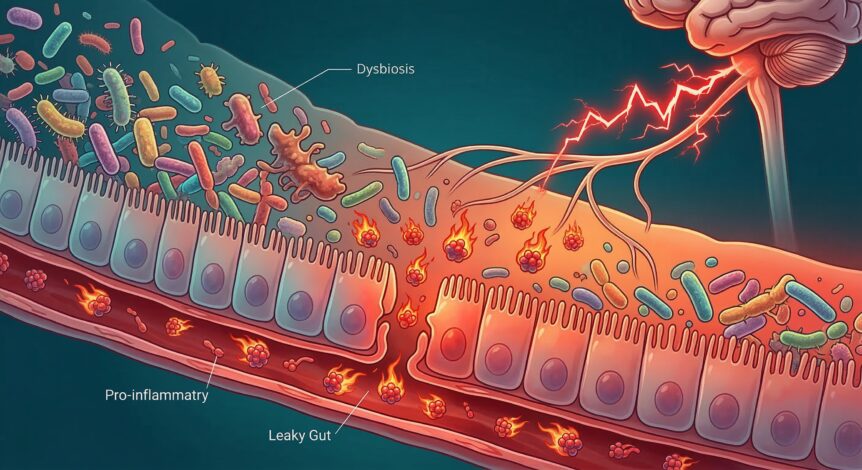
Illustration of leaky gut showing dysbiosis, intestinal permeability, pro-inflammatory bacteria entering the bloodstream, and pain signals reaching the brain

Gut Health and Chronic Pain: What Your Gut Has to Do With How You Feel

Richard Kang, MDBlog

When you think about chronic pain, your stomach is probably not the first thing that comes to mind. But research is making one thing clear: gut health and chronic pain are deeply connected. The trillions of bacteria living inside your gut can drive inflammation, sensitize your nerves, and make pain worse — even in areas far from your abdomen. Understanding …

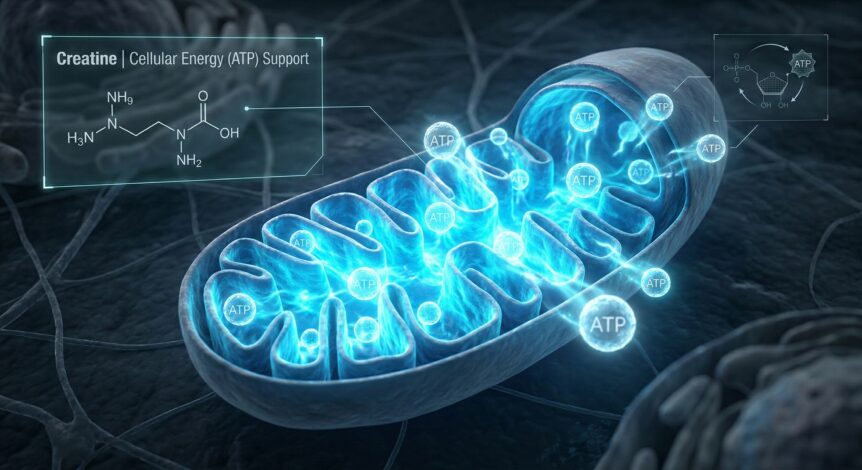
3D illustration of creatine supporting cellular energy ATP production in mitochondria for chronic pain management

Creatine for Pain Management: What the Evidence Actually Shows

Richard Kang, MDBlog

Creatine has a reputation problem. Most people picture a gym bag supplement — something for college athletes and competitive bodybuilders. But the science tells a different story. Creatine is one of the most studied compounds in sports medicine, and researchers have been building a quiet but compelling case for its role in chronic pain, fatigue-driven conditions, and rehabilitation medicine. At …

How semaglutide, tirzepatide, and next-generation peptides are changing the way we treat chronic pain rooted in excess weight and metabolic dysfunction. If you live with chronic back pain or knee pain, you already know how hard it is to break the cycle. Pain makes it tough to exercise. Less movement leads to weight gain. And extra weight makes the pain worse. This is one of the most frustrating patterns we see in our practice. For years, the options were limited: pain medications, injections, physical therapy, or surgery. Each of these can help. But none of them address the deeper problem driving much of chronic joint and spine pain — excess body weight and the inflammation that comes with it. That is changing. A class of medications called GLP-1 receptor agonists — including semaglutide, tirzepatide, and newer peptides like retatrutide — now give patients a powerful way to lose significant weight and reduce the metabolic stress that fuels chronic pain. At Core Medical & Wellness, we combine these medications with targeted pain treatments and strength-building programs. The goal is clear: help you move better, hurt less, and stay active for the long run. What Are GLP-1 Medications? GLP-1 stands for glucagon-like peptide-1. It is a natural hormone your gut releases after you eat. GLP-1 tells your brain you are full, slows digestion, and helps your body manage blood sugar. GLP-1 receptor agonist medications mimic this hormone. They amplify those natural signals, so you feel satisfied with less food, your appetite drops, and your body starts burning stored fat more efficiently. Over time, this leads to meaningful, sustained weight loss. These medications started as diabetes treatments. But clinical trials revealed something remarkable: patients lost far more weight than anyone expected. Today, GLP-1 medications are among the most effective medical weight loss tools available. Here is a quick look at the three main medications in this space: Medication Type How It Works Dosing Semaglutide GLP-1 agonist Targets one appetite and metabolic pathway Weekly injection Tirzepatide Dual GIP/GLP-1 agonist Targets two pathways for enhanced weight loss Weekly injection Retatrutide Triple GIP/GLP-1/glucagon agonist Targets three pathways (investigational) Weekly injection Each generation of these medications has produced better results. Semaglutide delivers strong weight loss. Tirzepatide goes further. And retatrutide, still in clinical trials, is producing weight loss numbers that were previously unheard of in medicine. How Weight Loss From GLP-1 Medications Helps Joint and Spine Pain You might wonder: how does a weight loss medication help with pain? The connection is direct and well documented. Less Weight Means Less Stress on Your Joints Every extra pound of body weight places several additional pounds of force on your knees and lower back with every step you take. This extra load grinds down cartilage, compresses discs, and irritates joints over time. When patients lose 10 to 15 percent or more of their body weight with GLP-1 therapy, the mechanical stress on these structures drops significantly. Many patients notice real changes: less knee pain going up stairs, less stiffness getting out of bed, more comfort standing and walking throughout the day. Reduced Inflammation Throughout the Body Excess body fat does more than add weight. It produces inflammatory chemicals that circulate through your bloodstream and settle into your joints and spine. These molecules — like IL-6, IL-1 beta, and MMP-3 — break down cartilage and amplify pain signals. GLP-1 medications appear to lower these inflammatory markers. This means they do not just help you lose weight. They may help calm the biological fire that drives osteoarthritis and chronic pain from the inside. Key takeaway: GLP-1 medications are not painkillers. They reduce pain by attacking two root causes at once: the mechanical overload from excess weight and the chronic inflammation produced by metabolic dysfunction. Better Mobility Means Better Outcomes Pain limits movement. Limited movement causes deconditioning. Deconditioning makes pain worse. GLP-1 medications help break this cycle by making it possible to participate more fully in physical therapy, strength training, and daily activity — all of which are essential for lasting pain relief. GLP-1 Medications and Knee Osteoarthritis Knee osteoarthritis is one of the most common reasons patients in our practice seek help with weight loss. The combination of cartilage breakdown and excess body weight creates a painful, self-reinforcing cycle that is extremely difficult to escape with willpower alone. Recent clinical trial data gives real reason for optimism: In a large randomized study, patients with obesity and knee osteoarthritis who took weekly semaglutide achieved an average BMI reduction of about 14 percent over 68 weeks. More importantly, they experienced significantly greater improvements in knee pain scores compared with patients who received a placebo. Participants reported better function, greater walking capacity, and in some cases, a delayed need for surgery. Reviews from major rheumatology groups confirm the pattern. GLP-1 medications improve pain, stiffness, and physical function in knee osteoarthritis — likely through the combined effects of weight loss and inflammation reduction. Orthopedic and rheumatology experts now view GLP-1 medications as a cost-effective option for managing knee osteoarthritis in patients with obesity, especially when the goal is to delay or avoid knee replacement surgery altogether. Can GLP-1 Medications Help With Low Back Pain? The research on GLP-1 medications and low back pain is still catching up to the knee data. But the same principles apply — and the clinical results we see in practice are encouraging. Obesity increases the risk of degenerative disc disease, facet joint arthritis, and spinal stenosis. Extra abdominal mass pulls the spine forward and overloads the lower back muscles and joints. When patients lose substantial weight on GLP-1 therapy, the benefits for the spine can be significant. The axial load on lumbar discs and facet joints decreases. Core strengthening and flexibility exercises become easier. And the chronic inflammation that sensitizes pain nerves throughout the back calms down. In our practice, we do not prescribe GLP-1 medications as standalone back pain treatments. We use them as metabolic tools that make everything else work better — from interventional spine procedures to rehabilitation programs to everyday movement. Tirzepatide: A Stronger Option for Weight Loss and Pain Tirzepatide takes the GLP-1 approach a step further. Instead of targeting one metabolic pathway, it activates two: GIP and GLP-1 receptors. This dual action produces even greater average weight loss than traditional GLP-1 medications in clinical trials. Many patients on higher-dose tirzepatide regimens lose more than 20 percent of their body weight. They also see strong improvements in blood sugar, cholesterol, and other metabolic markers. For patients dealing with obesity-driven joint and spine pain, this deeper weight loss response can translate into even more significant relief — provided muscle mass and bone health are actively protected (more on that below). Retatrutide: The Next Generation of Peptide Therapy for Obesity and Knee Pain Retatrutide represents the cutting edge of peptide-based weight loss therapy. It is a once-weekly injectable that activates three metabolic receptors at once: GIP, GLP-1, and glucagon. No other approved medication targets all three. Record-Setting Weight Loss Results In a Phase 2 clinical trial over 48 weeks, patients on higher doses of retatrutide lost an average of 23 to 24 percent of their body weight. Compare that with roughly 2 percent for placebo. Between 60 and 83 percent of participants in the higher-dose groups lost at least 15 percent of their body weight, and a large portion exceeded 20 percent. These are some of the largest pharmacologic weight loss results ever documented in clinical trials. The TRIUMPH-4 Trial: Direct Evidence for Knee Osteoarthritis What makes retatrutide especially relevant for pain patients is the TRIUMPH-4 trial. This study specifically evaluates retatrutide in people who have both obesity and knee osteoarthritis. Early results are striking. Participants achieved weight loss approaching 28 to 30 percent of their baseline body weight in some treatment arms — translating to an average absolute loss of about 70 pounds. Knee pain scores improved by up to roughly 75 percent in some groups, with large absolute improvements compared to placebo. If these results hold up in later-stage trials, retatrutide could become one of the most powerful non-surgical tools available for patients with obesity-related knee osteoarthritis. Important note: Retatrutide is not yet commercially available. It remains an investigational therapy in Phase 2 and Phase 3 clinical trials. However, it represents the future direction of peptide-based metabolic treatments that could dramatically impact joint and spine outcomes. Protecting Muscle and Bone During GLP-1 Therapy Any time you lose a significant amount of weight, you risk losing some lean muscle mass and bone density along with the fat. This matters for pain patients because strong muscles stabilize joints and support the spine. Clinical data suggest that roughly one-quarter to one-third of weight lost on GLP-1 medications may come from lean tissue. In one trial, patients taking a GLP-1 medication alone lost hip and spine bone mineral density. But patients who combined the medication with regular exercise preserved both muscle and bone much more effectively. This is why we never prescribe GLP-1 medications in isolation. At Core Medical & Wellness, every patient on a weight loss peptide program also follows a structured plan that includes: Resistance training 2 to 4 times per week to maintain muscle mass and protect joint stability. Adequate protein intake to support muscle repair and recovery. Micronutrient support including calcium and vitamin D to protect bone health. Body composition monitoring to track fat loss versus lean mass changes over time. In a practice focused on longevity and performance, GLP-1 therapy works best as one part of a comprehensive program — never as a shortcut. Who Is a Good Candidate for GLP-1 Weight Loss Medications? These medications are not for everyone. They are not meant to replace healthy eating, regular exercise, or targeted pain treatments. They work best when combined with all of those things. In our practice, strong candidates usually include: Adults with a BMI of 30 or higher, or a BMI of 27 or higher along with weight-related conditions like knee osteoarthritis, chronic low back pain, prediabetes, or metabolic syndrome. Patients whose pain limits their ability to exercise, making lifestyle-only weight loss unrealistic. People who are ready to commit to long-term changes in nutrition, strength training, and consistent follow-up — not just a quick fix. We typically use caution or avoid these medications in patients with: A personal or family history of medullary thyroid carcinoma or MEN2 syndrome. A history of pancreatitis, severe gastroparesis, or serious gastrointestinal disease. Active eating disorders or significant frailty where further weight loss could be harmful. A thorough physician-led evaluation is always the first step. The right medication, dose, and duration depend on your individual health picture. How Core Medical & Wellness Integrates GLP-1 Therapy With Pain Care At Core Medical & Wellness, we do not view GLP-1 medications as standalone treatments. They are one piece of a larger, integrated approach to pain and performance. A typical patient-centered plan at our practice may include: Step 1: Comprehensive evaluation. We assess your specific pain generators — whether that is a degenerative disc, facet joint, SI joint, knee osteoarthritis, or hip pathology. We also evaluate your metabolic health and body composition. Step 2: Medical weight loss. When appropriate, we prescribe GLP-1 or dual/triple-agonist peptide therapy to drive meaningful, sustained weight loss and metabolic improvement. Step 3: Targeted pain interventions. We address structural pain sources directly with treatments like epidural injections, radiofrequency ablation, genicular nerve ablation, or regenerative options like platelet-rich plasma (PRP) therapy. Step 4: Strength and conditioning. Every plan includes a progressive exercise program designed to protect lean muscle mass, improve joint stability, and build long-term function. Step 5: Longevity-oriented support. When indicated, we layer in additional therapies such as hormone optimization, lifestyle coaching, and advanced recovery modalities. Here is what this looks like in practice: a patient with severe knee osteoarthritis and obesity who loses 15 to 25 percent of their body weight on semaglutide or tirzepatide, completes a quadriceps strengthening program, and receives targeted injections may experience substantially less daily pain, greater walking distance, and a meaningful delay in needing knee replacement surgery. That is the kind of comprehensive result that no single treatment can deliver alone. Struggling With Chronic Pain and Excess Weight? At Core Medical & Wellness, we evaluate both the mechanical and metabolic contributors to your pain and design a personalized plan to help you move better, hurt less, and perform at a higher level. Schedule Your Consultation Today Richard Kang, MD Double board-certified Anesthesiologist and Fellowship-trained in Interventional Pain Management. Dr. Kang is the Co-founder of Core Medical & Wellness, a multi-location pain management practice in New Jersey specializing in regenerative medicine, peptide therapy, and non-surgical approaches to chronic pain. He is committed to integrating the latest advances in metabolic medicine with targeted pain care to help patients achieve lasting results.

GLP-1 Medications for Weight Loss, Back Pain, and Knee Pain Relief

Richard Kang, MDBlog

How semaglutide, tirzepatide, and next-generation peptides are changing the way we treat chronic pain rooted in excess weight and metabolic dysfunction. If you live with chronic back pain or knee pain, you already know how hard it is to break the cycle. Pain makes it tough to exercise. Less movement leads to weight gain. And extra weight makes the pain …

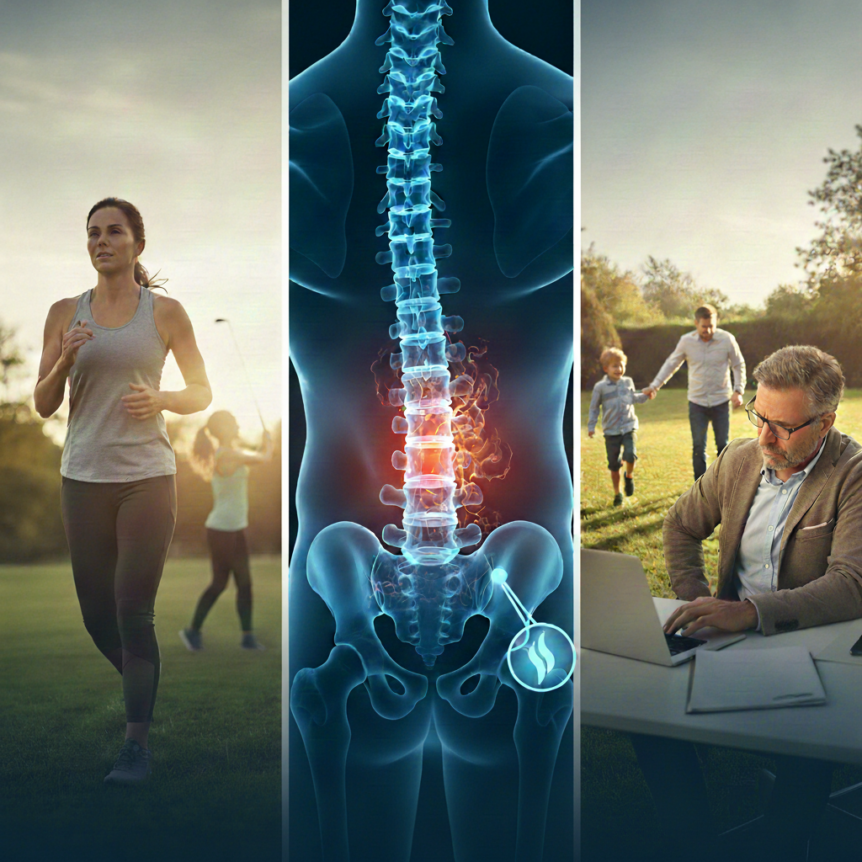
Active adults experiencing lower back pain from degenerative disc disease — Core Medical & Wellness NJ

Degenerative Disc Disease in the Lower Back: What Active Adults Need to Know

Richard Kang, MDBlog

Is Your Lower Back Pain From Degenerative Disc Disease? Here’s What You Need to Know You used to hop out of bed without a second thought. Now your lower back protests every morning. Maybe it aches after your morning run, tightens up after a long day at your desk, or flares after a round of golf or a weekend on …

Woman applying a cold pack to her lower back for pain relief at home

Heat or Ice for Pain? How to Choose for Back Pain & Arthritis | Core Medical & Wellness

Richard Kang, MDBlog

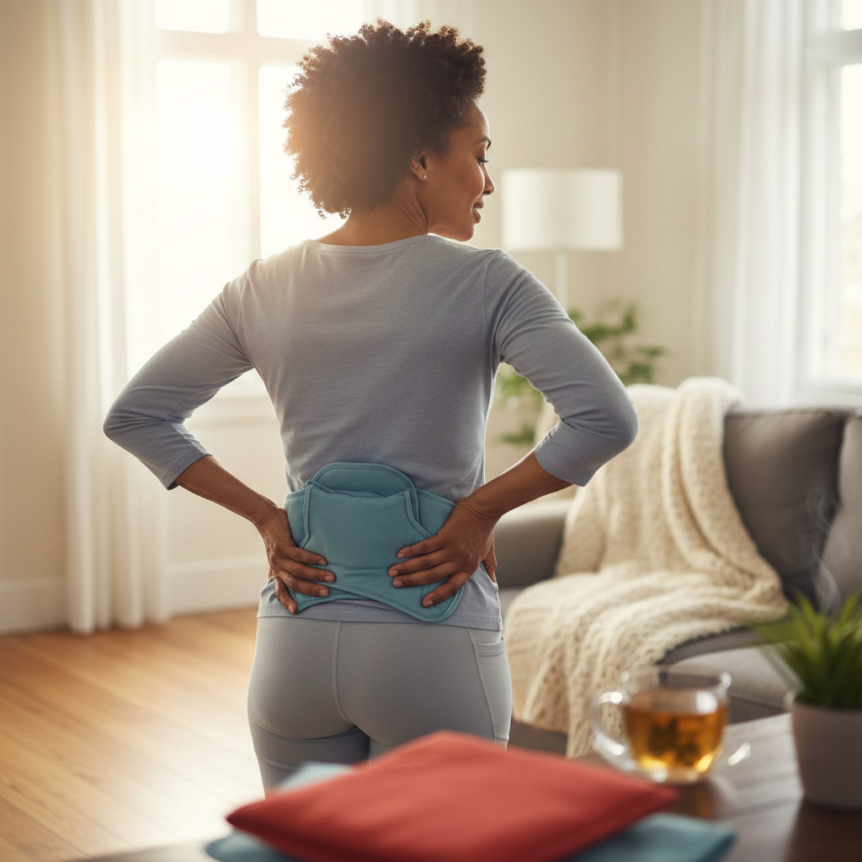
If you live with back pain or arthritis, you have probably asked yourself this question at least once: should I use heat or ice for pain? The answer depends on what type of pain you are dealing with, how long you have had it, and what your body is telling you right now. As a board-certified pain management physician, this …

A woman relaxing inside a warm wooden sauna, wrapped in a white towel, with text overlay that reads "Sauna Therapy for Pain Relief - Core Medical & Wellness."

Sauna Therapy for Pain Management: Does Heat Really Relieve Chronic Pain?

Richard Kang, MDBlog

If you live with chronic back pain, joint stiffness, or inflammatory conditions like arthritis, you’ve probably tried just about everything to find relief. One approach gaining renewed attention is sauna therapy for pain management—and the science behind it is more compelling than you might expect. As a board-certified interventional pain management specialist, I’m always evaluating complementary strategies that can work …

Man stretching leg muscles outdoors before a workout to prevent weekend warrior injuries

Therapies for Rapid Muscle Recovery and Injury Prevention

Richard Kang, MDBlog

If you live for weekend pickup basketball, Saturday morning runs, or Sunday jiu-jitsu open mats, you already know the feeling. Monday hits and your body reminds you that five days at a desk followed by two days of all-out effort is a tough equation. You’re a weekend warrior — and you’re not alone. Millions of recreational athletes deal with the …

Epidural Steroid Injections: What to Expect

Epidural Steroid Injections for Sciatica: What to Expect

Richard Kang, MDBlog

If you are living with sciatica, an epidural steroid injection can provide significant pain relief when medications, rest, and physical therapy are not enough. This guide explains how these injections work, what to expect before and after the procedure, and how they fit into a comprehensive treatment plan for sciatica. What Is Sciatica? Sciatica refers to pain that travels from …

Brazilian jiu-jitsu training team at Fort Lee academy demonstrating martial arts community and safe training practices for injury prevention

BJJ Injuries: Prevention & Treatment Guide | Sports Medicine NJ

Richard Kang, MDBlog

Brazilian jiu-jitsu builds incredible strength, discipline, and confidence. But like any contact sport, it comes with injury risks. Whether you’re a dedicated practitioner, a coach managing a team, or a parent watching your child progress through the ranks, understanding common injuries matters. The good news? Most BJJ injuries are preventable. And when they do happen, early treatment from experienced sports …

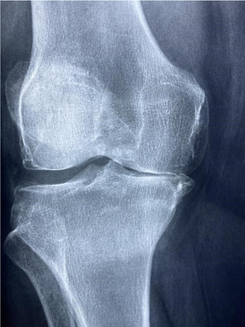
X-ray showing knee osteoarthritis with joint space narrowing and bone changes

Common Causes of Knee Pain: Treatment Options in NJ

Richard Kang, MDBlog

The Most Common Causes of Knee Pain and Non-Surgical Treatment Options Knee pain affects millions of Americans every year, limiting mobility and reducing quality of life. Whether you experience knee pain when walking, climbing stairs, or after exercise, understanding what causes knee pain is the first step toward finding effective treatment. As a leading pain management and regenerative medicine practice …

3D CT scan of lumbar spine showing facet joints where medial branch block injections target pain signals

Facet Medial Branch Block: What to Expect

Richard Kang, MDBlog

Chronic back and neck pain affects millions of Americans, yet identifying the exact source of that pain remains one of medicine’s greatest diagnostic challenges. If you’ve been living with persistent spinal pain that hasn’t responded to physical therapy, medications, or other conservative treatments, your physician may recommend a medial branch block to determine whether your facet joints are the source …