


IV Vitamin Therapy Benefits & Risks 2025 | Doctor’s Guide
Share this Post
IV Vitamin Therapy: What You Need to Know in 2025 | Expert Medical Guide
Is IV Vitamin Therapy Worth It? A Doctor’s Evidence-Based Analysis
As a double board-certified anesthesiologist with 23 years of experience, I’m often asked about IV vitamin therapy. With sessions costing $130-$400 and bold health claims everywhere, let’s separate fact from fiction.
What Is IV Vitamin Therapy?
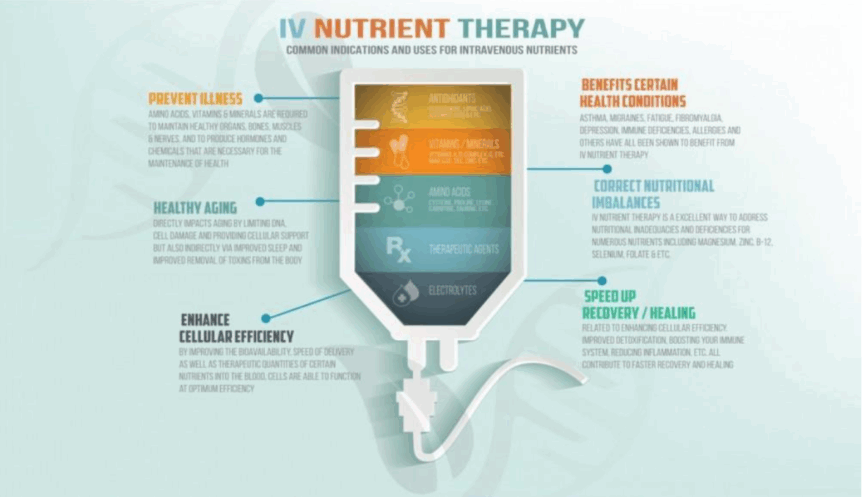
IV vitamin therapy delivers nutrients directly into your bloodstream through an intravenous line, bypassing your digestive system entirely. This achieves nearly 100% bioavailability compared to just 20-50% absorption from oral supplements.
The key advantage? Speed and completeness of absorption—critical for patients with digestive issues or severe deficiencies.
Science-Backed Benefits: Who Actually Needs IV Therapy?
✅ Proven Medical Benefits
1. Malabsorption Disorders
Patients with Crohn’s disease, celiac disease, or post-bariatric surgery often cannot absorb nutrients orally. For them, IV therapy isn’t optional—it’s essential.
2. Rapid Deficiency Correction
IV B12 can reverse neurological symptoms within days. IV iron corrects severe anemia when oral supplements cause intolerable side effects.
3. Athletic Recovery
Research shows IV hydration restores fluid balance 34% faster than drinking fluids—valuable for endurance athletes and those training in extreme conditions.
4. Migraine & Chronic Pain Support
The Myers’ Cocktail (magnesium, calcium, B vitamins, vitamin C) has shown promise for reducing migraine frequency and managing fibromyalgia symptoms.
❌ Unproven Wellness Claims
Despite marketing hype, there’s limited evidence that IV therapy in healthy individuals provides:
- Anti-aging benefits
- Weight loss
- Hangover cures
- General “wellness” boosts
Popular IV Formulations
| Treatment | Best For | |
|---|---|---|
| Myers’ Cocktail | Migraines, fatigue, immune support | |
| High-Dose Vitamin C | Wound healing, acute illness | |
| Athletic Recovery | Post-competition, intense training | |
| NAD+ Protocol | Cognitive function, energy |
Critical Risks You Should Know
Medical Complications:
- Infection risk from IV access
- Vein damage from repeated infusions
- Kidney stones from high-dose vitamin C
- Nutrient toxicity with fat-soluble vitamins
- Blood pressure changes from rapid fluid infusion
Who Should Avoid IV Therapy:
- Kidney or heart disease patients
- Those with G6PD deficiency
- Anyone without proper medical screening
The Bottom Line: Is It Worth Your Money?
IV Therapy Makes Sense When:
- ✅ You have documented nutrient deficiencies that don’t respond to oral supplements
- ✅ You have a diagnosed malabsorption disorder
- ✅ You’re a professional athlete needing rapid recovery
- ✅ You’re addressing specific medical conditions under physician guidance
Save Your Money If:
- ❌ You’re healthy and eating a balanced diet
- ❌ You want general “wellness” or anti-aging effects
- ❌ You’re looking for a hangover cure
- ❌ You haven’t tried oral supplements first
How to Find a Qualified Provider
Look For:
- Board-certified physician oversight
- Licensed RNs administering infusions
- Pre-treatment lab testing
- Medical-grade facilities
- Customized protocols based on your needs
Red Flags:
- “One-size-fits-all” treatments
- No medical history review
- Guarantees of miraculous results
- Unlicensed staff
The Expert Take
After treating thousands of patients, here’s my professional opinion: IV vitamin therapy has legitimate medical uses, particularly for malabsorption disorders and documented deficiencies. However, for most healthy individuals, a balanced diet and targeted oral supplements provide the same benefits at a fraction of the cost and risk.
In my pain management practice, I integrate IV therapy as one tool among many—not a miracle cure. The best approach to health remains foundational: proper nutrition, regular exercise, adequate sleep, and stress management.
Frequently Asked Questions
How often do I need IV therapy?
Frequency varies by condition—weekly for medical needs, monthly or quarterly for maintenance.
Does insurance cover it?
Usually only for documented medical conditions, not wellness treatments.
How long do benefits last?
Water-soluble vitamins (B, C) last 1-2 weeks; minerals may last longer.
Ready to Learn More?
Disclaimer: This content is educational only and doesn’t constitute medical advice. Consult your healthcare provider before starting any treatment.