


The Most Common Causes of Back Pain
Share this Post
Did you know that back pain is the top contributor to disability worldwide? It’s a huge factor in lost work time, insurance costs, and doctor visits. If you’re one of the millions of people who suffer from back pain, you’ve probably experienced the frustration, pain, and sleeplessness that so many others have, too.
Perhaps you’ve also endured lost wages or experienced major upheavals in life, such as not being able to drive or having to quit a sport you enjoy. Here are the top causes of back pain, along with some good news. There are new treatments available today that may be able to significantly reduce or eliminate your back pain for good.
Back Pain: The Biggest Culprits
Arthritis
Arthritis is the medical term for inflammation of any joint in the body. In the back, it occurs around the vertebrae that form the spine. There are many types of arthritis, with osteoarthritis being the most common. Osteoarthritis typically gets worse with age. It can also be exacerbated by wear and tear injuries, being overweight, poor posture (see below), and your unique genetics.
Arthritis can cause bone spurs, as the body erroneously attempts to repair lost tissue. It can also result in pain and loss of mobility. When people become less active due to their arthritis, they often gain weight and develop more stiffness, which only makes the problem worse and starts a cycle of decreased quality of life.
Degenerative disc disease
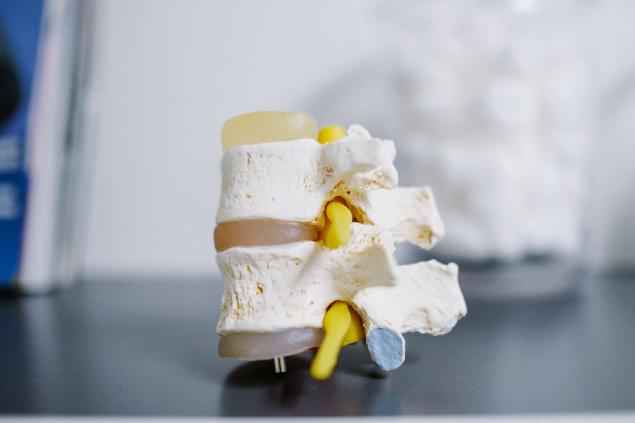
There are discs in between the vertebrae of your spine that provide cushioning, like little shock absorbers. Unfortunately, as we age, these discs can undergo degenerative disc disease, in which they shrink and lose volume, causing them to no longer have the protective effect they once did. Like arthritis, this results in pain, stiffness, and loss of mobility.
Herniated or ruptured disc
Another common disc problem that causes back pain is a herniated or ruptured disc. In this scenario, the disc moves out of alignment in the spine. It can become pinched or leave nerves without cushioning. Herniated discs can also cause the bones of the spine to rub against each other.
Pain may radiate outward from the spine. You’ve probably heard of sciatica or maybe even had it yourself. This is when the long sciatic nerve that runs from the lower back to the ankle becomes irritated, and it often accompanies herniated discs.
Poor posture
If your parents or school teachers told you to sit up straight, they weren’t wrong! Slouching and stooped posture can cause or exacerbate back pain, whether you’re sitting or standing. Whether you spend all day on your feet or sit slumped in front of a computer, your back may be trying to compensate for your bad habits. Eventually, this can result in muscle pain, stiffness, and disc problems.
Included in this category is poor posture while sleeping. Using the wrong pillows or a mattress that’s too soft or too hard can also cause back pain, as can falling asleep for long periods on the sofa. Usually, this is the result of your spine being out of alignment for hours at a time while you sleep. It’s as painful as the back pain that results from sitting or standing incorrectly.
Repetitive lifting or twisting motion
People who lift things all day (deliveries, toddlers, work equipment, etc.) and those who perform repetitive twisting motions, such as factory workers, are particularly vulnerable to back pain. Typically, this shows up as muscle pain in the lower back, but it may progress to a disc injury over time.
Osteoporosis
Osteoporosis is the loss of bone density over time. While it plagues more women than men, it can happen to both sexes. As well as age, diet can be a major contributing factor, especially when calcium is not consumed or well absorbed. Osteoporosis can result in a hunched neck or back, which, in turn, causes misalignment of the entire spine. It can also cause bone fractures in severe cases.
Traumatic injury
There are many ways to hurt your back in a trauma:
-
Slipping or falling
-
Motor vehicle crash
-
Work accident
With a traumatic (AKA acute) injury, the damage happens suddenly versus over a long time (chronic). You may experience pain, loss of mobility, swelling, heat, or bruising with a traumatic back injury. One minute your back is fine; the next minute, you are heading to the ER or can barely walk.
The Downsides of Conventional Treatments for Back Pain
Band-aid approaches and risks
There are numerous traditional treatments for back pain. While some are not harmful (or may even be good for your general health), they are really better suited to temporary therapy, as they rarely get to the root of the pain once it becomes chronic. Some of them aren’t sustainable long-term and are best for short-term pain management before longer-lasting treatments take effect. These include:
-
Applying heat and/or ice
-
Losing weight
-
Quitting smoking (coughing irritates existing back pain and reduces blood flow)
-
Physical therapy
-
Acupuncture
-
Altering your exercise or work routines
-
Electrical stimulation
-
Chiropractic
-
Massage therapy
Other back pain conventional treatments may actually be harmful, such as:
-
Over-the-counter non-steroidal anti-inflammatory drugs (NSAIDs) that can cause high blood pressure, increased risk of cardiovascular problems, and stomach irritation
-
Prescription pain medications, like opioids, which are dangerously sedating and can become addictive
-
Surgery, which involves extensive downtime, anesthesia risks, and the chance that it may not work (or make the pain worse)
Alternatives for Long-Lasting Back Pain Relief
Safer, more effective treatments
Many of the back pain patients we see at Core Medical & Wellness have turned to us because they’re frustrated with the expense, hazards, and short-term approach of the conventional treatments listed above. We are able to offer innovative alternatives, particularly regenerative medicine, through our non-surgical spine and orthopedics division that treat the source of your back pain.
What is regenerative medicine? It’s a relatively new therapy that utilizes the body’s own healing mechanism to grow new tissue, reduce inflammation, improve immunity, and stop pain. We inject bone marrow concentrate (BMC) or platelet-rich plasma (PRP) into the back and let those cells go to work. Over time, they multiply and provide the healing that other treatments cannot. In most cases, results last for months or years, without any of the risks of drugs and surgery or the constant expense of other treatments.
Are you a candidate for regenerative medicine? You may well be. Just one initial consultation with Core Medical & Wellness can help us properly diagnose your back pain, following a medical history, exam, and any necessary imaging. We can put together a comprehensive treatment plan for you, and we offer other pain management options, such as cortisone injections, electrical stimulation, nerve blocks, and lubrication joint injections. We also have lifestyle and fitness coaches to supplement other treatments and help correct body mechanics that may be contributing to your back pain.
Schedule your first appointment by calling Core Medical & Wellness at 888-521-0688 or using our easy online form to get in touch. Don’t let back pain derail your life. Reach out today.