

ViaDisc NP: Regenerative Treatment for Degenerative Disc Disease
Share this Post
ViaDisc NP: A Regenerative Breakthrough for Degenerative Disc Disease
Imagine if instead of just managing your chronic back pain, there was a way to actually restore the damaged disc tissue that’s causing your discomfort. For years, patients with degenerative disc disease faced a frustrating reality where treatment options seemed limited to either temporary relief through medications and injections, or invasive spinal surgery that required extensive recovery. The middle ground between these extremes simply didn’t exist, leaving many people to endure years of limitations and persistent pain while hoping to avoid the operating room.
Today, a remarkable advancement in regenerative medicine is changing this landscape. ViaDisc NP represents a fundamentally different approach to treating degenerative disc disease, one that doesn’t merely mask pain but actually aims to regenerate the disc’s natural structure and function. As someone who specializes in interventional pain management with a focus on regenerative therapies, I’ve witnessed firsthand how this innovative procedure is offering new hope to patients who thought they had exhausted their non-surgical options. Understanding how ViaDisc NP works, who can benefit from it, and what to expect from the procedure can help you determine whether this regenerative approach might be the solution you’ve been searching for.
In this comprehensive guide, I’ll walk you through the science behind ViaDisc NP in a way that makes sense even if you’re not familiar with medical terminology. We’ll explore why this treatment represents such a significant departure from traditional approaches, who makes an ideal candidate, what happens during and after the procedure, and what the research tells us about long-term outcomes. Most importantly, I want to help you understand how this therapy might fit into your own journey toward reclaiming a life with less pain and greater freedom of movement.
Understanding Why Your Discs Degenerate and Why It Matters
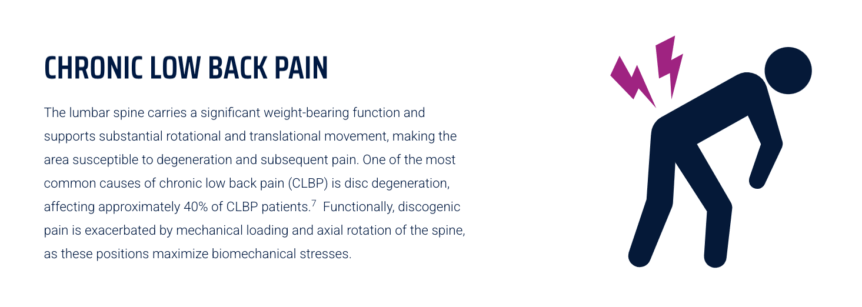
Before we can appreciate why ViaDisc NP represents such an important advancement, it helps to understand exactly what happens when your discs degenerate and why this process causes so much discomfort. Think of the discs in your spine as sophisticated shock absorbers that sit between each vertebra, somewhat like the cushions between the bones in your spine. Each disc consists of two main parts that work together to allow your spine to move while protecting it from the stresses of daily life.
The outer portion, called the annulus fibrosus, is composed of tough, concentric rings of fibrous tissue that provide structure and strength, much like the reinforced walls of a tire. Inside this protective outer shell sits the nucleus pulposus, which in a healthy young disc is a gel-like substance that’s about eighty percent water. This nucleus acts as a hydraulic cushion, distributing forces evenly across the disc when you bend, lift, twist, or simply stand upright against gravity. The combination of the sturdy outer rings and the fluid inner core creates a remarkably effective system for absorbing shock and allowing smooth, pain-free movement.
As we age, experience injuries, or subject our spines to repetitive stress, this elegant system begins to break down in a predictable pattern. The nucleus pulposus gradually loses its water content through a process that combines the natural aging of cells, decreased nutrient supply to the disc, and accumulated mechanical stress over the years. As the nucleus dehydrates, it becomes less gel-like and more fibrous, losing its ability to effectively distribute forces across the disc. You might compare this to a water balloon slowly losing its water until it becomes a wrinkled, ineffective cushion that can no longer absorb impact the way it once did.
This loss of hydration has cascading effects throughout the disc and surrounding structures. As the nucleus shrinks, the disc loses height, which means the vertebrae above and below sit closer together than they should. This narrowing can pinch nerves exiting the spine, create abnormal stress patterns on the facet joints in the back of your spine, and alter your spine’s normal alignment. The outer annular fibers, no longer supported by a pressurized nucleus, develop small tears that can allow inflammatory chemicals to leak out and irritate nearby nerve roots. Your body may attempt to stabilize the weakened segment by forming bone spurs, which sometimes help but can also create new problems by narrowing the spaces where nerves travel.
The pain that results from this degenerative process comes from multiple sources working together. The disc itself contains pain-sensing nerve fibers in its outer layers that become irritated by tears and inflammation. The surrounding muscles tighten reflexively to protect the unstable segment, creating additional discomfort and stiffness. Nerves may become compressed either by the bulging disc material or by the narrowing of the spaces they pass through. Understanding this complex pain generator helps explain why simple pain medications often provide only limited relief and why a treatment that could actually restore the disc’s structure holds such promise.
How ViaDisc NP Represents a Fundamentally Different Approach
Traditional treatments for degenerative disc disease have focused primarily on managing symptoms rather than addressing the underlying structural problem. When you take anti-inflammatory medications, they reduce pain and inflammation but do nothing to restore the disc’s lost height or hydration. Physical therapy strengthens the muscles supporting your spine and can absolutely help reduce pain and improve function, but it cannot regenerate tissue that has already degenerated. Even epidural steroid injections, which can provide meaningful relief for many patients, work by temporarily reducing inflammation around irritated nerves rather than repairing the damaged disc itself.
ViaDisc NP takes an entirely different approach by directly addressing what has been lost during the degenerative process. The treatment uses processed human nucleus pulposus tissue that has been carefully prepared from donor tissue through a specialized technique. This isn’t synthetic material or a drug in the traditional sense, but rather actual disc tissue that has been processed to ensure safety while maintaining its natural biological properties. When this allogeneic tissue is delivered into your degenerated disc, it aims to restore what has gradually disappeared over the years, providing the hydration and structural support that your own nucleus pulposus has lost.
Think of it this way: if your disc is like a deflated basketball that can no longer properly cushion impact, most traditional treatments are like putting a brace around the basketball or taking medication to help you feel less bothered by using a flat ball. ViaDisc NP, on the other hand, is more like reinflating that basketball so it can function properly again. The processed nucleus pulposus tissue is designed to integrate with your remaining disc tissue, attract and retain water the way a healthy nucleus does, and restore the mechanical properties that allow your disc to distribute forces effectively once again.
What makes this approach particularly exciting from a regenerative medicine perspective is that it works with your body’s natural healing processes rather than against them. The implanted tissue provides a scaffold and biological signals that encourage your own remaining disc cells to function more effectively. Over time, the goal is not just to temporarily fill space but to create an environment where the disc can maintain better hydration and function for the long term. This represents a true paradigm shift from symptom management to actual tissue regeneration, which is why many of us in the field of interventional pain management find this technology so promising for appropriately selected patients.
The ViaDisc NP Procedure: What Happens Step by Step
Understanding what actually happens during the ViaDisc NP procedure can help demystify the treatment and reduce any anxiety you might feel about moving forward with this option. The entire process is designed to be as comfortable and efficient as possible while ensuring precise delivery of the regenerative tissue to exactly where it’s needed. Most patients are surprised by how straightforward the procedure is, especially when compared to the idea of spinal surgery which often looms in their minds as the only alternative to living with chronic pain.
Your journey with ViaDisc NP begins well before the procedure day, with careful evaluation to determine whether you’re an appropriate candidate. This assessment includes a detailed review of your symptoms, your response to previous treatments, and most importantly, advanced imaging studies that show the specific characteristics of your disc degeneration. Not every degenerated disc is suitable for ViaDisc NP, and part of our role as physicians is to identify those patients most likely to benefit. We’re looking for moderate degeneration where the disc has lost height and hydration but still has enough remaining structure to support and integrate the new tissue. We also need to confirm that your pain is truly coming from the disc itself rather than from other structures like facet joints or compressed nerves, which would require different treatment approaches.
On the day of your procedure, you’ll arrive at an outpatient surgical center or specialized clinic, not a hospital operating room, which immediately signals that this is a less invasive intervention than traditional surgery. After changing into a procedure gown, you’ll be positioned carefully on a specialized table that allows the physician clear access to your lower back while also accommodating the fluoroscopy equipment that provides real-time X-ray imaging throughout the procedure. You’ll receive medication through an intravenous line that helps you relax and reduces anxiety, though you remain conscious and able to communicate with the medical team throughout. Some practices use moderate sedation where you’re in a twilight state and unlikely to remember the procedure, while others use lighter sedation where you’re more aware but comfortable.
The actual procedure begins with careful preparation of your skin using sterile solution, followed by the administration of local anesthetic to numb the skin and deeper tissues along the planned needle path. Once you’re comfortable, the physician uses continuous fluoroscopic guidance to direct a specialized spinal needle through the tissues of your lower back, between the bony structures of your spine, and into the very center of the degenerated disc. This level of precision is crucial because the nucleus pulposus tissue must be delivered to the exact location where it can be most effective. The fluoroscopy provides multiple viewing angles, essentially giving the physician a three-dimensional understanding of the needle’s position even though the images themselves are two-dimensional.
When the needle is perfectly positioned within the nucleus pulposus of your degenerated disc, the prepared allograft tissue is slowly injected through the needle. The tissue is designed to be just the right consistency to be deliverable through the needle while also having the structural properties needed to remain in place and integrate with your existing disc tissue once delivered. The injection is performed carefully and deliberately, ensuring proper distribution of the material within the disc space. You might feel some pressure or a sensation of fullness in your back during this injection phase, which is completely normal and indicates that the material is being delivered to the correct location.
After the injection is complete, the needle is carefully withdrawn, and pressure is applied to the injection site. A small bandage is placed over the tiny puncture wound, which is typically no larger than the mark left by a standard injection. The entire procedure usually takes less than an hour from the time you arrive in the procedure room until you’re ready to move to the recovery area. There are no incisions to close with sutures, no drains to manage, and no hardware left behind. The minimally invasive nature of the procedure is one of its most appealing characteristics, particularly for patients who have been dreading the idea of traditional spinal surgery with its larger incisions, longer recovery, and greater risks.
Recovery and What to Expect in the Days and Weeks After Treatment
One of the most common questions I hear from patients considering ViaDisc NP is what their life will look like after the procedure, particularly in those crucial first days and weeks when the regenerative process is beginning. Understanding the typical recovery trajectory can help you plan appropriately and know what’s normal versus what might require a call to your physician. The good news is that recovery from ViaDisc NP is dramatically faster and less demanding than recovery from traditional spinal surgery, though it’s important to follow your physician’s specific instructions to optimize your healing.
Immediately after the procedure, you’ll spend some time in a recovery area where medical staff monitor your vital signs and ensure you’re comfortable before you go home. Most patients experience some soreness at the injection site, similar to what you might feel after a deeper intramuscular injection, though usually not severe. You might also notice a sense of pressure or fullness in your lower back, which results from the newly injected tissue occupying space within your disc. This sensation is actually a positive sign that the material is in place and beginning its regenerative work, though I acknowledge it can feel strange and sometimes uncomfortable in those first few hours and days.
Once you’re cleared to leave the facility, which typically happens within a few hours of the procedure, you’ll need someone to drive you home since the sedation medication can affect your reflexes and judgment even if you feel alert. That first evening, most patients are encouraged to take it easy, avoiding strenuous activities while allowing their body to begin the initial healing response. Some discomfort is normal and expected, but severe pain should be reported to your physician immediately as it could indicate a complication that needs attention. Most patients find that over-the-counter pain medications are sufficient for managing any discomfort, though your physician may prescribe something stronger if needed for the first few days.
During the first week after your ViaDisc NP procedure, the focus is on gentle, limited activity that allows healing without putting excessive stress on the treated disc. You’ll likely be advised to avoid heavy lifting, bending, twisting, or prolonged sitting, all of which place significant forces on your lumbar discs. Short walks are typically encouraged because gentle movement promotes circulation and prevents the stiffness that can develop with complete inactivity. You might notice that your pain fluctuates during this period, with some days feeling better than others, which is completely normal as inflammation from the procedure itself gradually subsides and the regenerative process begins.
As you move into the second and third weeks after treatment, you’ll gradually increase your activity level according to your physician’s specific guidelines. This might include longer walks, the introduction of gentle stretching exercises, and a slow return to normal daily activities like driving, working at a desk, or performing light household tasks. The key during this phase is progression without aggravation, meaning you should feel able to do more without experiencing significant increases in pain. If you find that certain activities consistently trigger discomfort, that’s your body’s way of telling you to slow down and give yourself more time before attempting those movements.
The timeline for experiencing meaningful improvement varies considerably from patient to patient, which can be one of the more challenging aspects of this treatment for people who are hoping for immediate relief. Some patients notice reduced pain within the first few weeks as the initial inflammation settles and the injected tissue begins providing better mechanical support. Others find that improvement is more gradual, unfolding over several months as the regenerative process continues and the disc tissue integrates more fully. Clinical studies of ViaDisc NP have shown that many patients continue to experience improvement well beyond the three-month mark, suggesting that the biological benefits of the treatment extend far longer than the immediate mechanical effects.
Follow-up appointments with your physician are crucial during the recovery period, providing opportunities to assess your progress, address any concerns, and adjust your activity recommendations based on how you’re healing. These visits might include repeat imaging studies at certain intervals to objectively document changes in disc height or hydration, though the most important measure of success remains how you feel and what you’re able to do in your daily life. Many patients find it helpful to keep a simple journal tracking their pain levels and functional abilities throughout recovery, which provides valuable information for both you and your treatment team about how well the therapy is working.
Determining Whether You’re an Ideal Candidate for ViaDisc NP
Not everyone with degenerative disc disease is an appropriate candidate for ViaDisc NP, and understanding whether this treatment aligns with your specific situation is essential before moving forward. The ideal candidate profile has been refined through clinical experience and research studies, helping physicians identify those patients most likely to achieve meaningful, lasting benefit from this regenerative approach. If you’re considering ViaDisc NP, it’s helpful to understand these criteria so you can have an informed discussion with your spine specialist about whether this treatment makes sense for your particular case.
The starting point for candidacy is confirmation that you truly have degenerative disc disease that’s causing your pain, rather than pain from other spinal structures that might present with similar symptoms. This determination comes from correlating your clinical symptoms with findings on MRI or other advanced imaging. We’re looking for evidence of disc degeneration, such as loss of disc height, decreased water content visible as darkening of the disc on MRI, and sometimes bulging of disc material beyond the normal boundaries of the disc space. Equally important is ruling out other pain generators like facet joint arthritis, sacroiliac joint dysfunction, or nerve compression that might not respond to disc regeneration therapy.
An ideal candidate has typically tried conservative treatments without achieving satisfactory relief. This usually means you’ve completed a course of physical therapy designed to strengthen your core and improve your spinal mechanics, you’ve tried anti-inflammatory medications or other pain medications, and perhaps you’ve had epidural steroid injections or other interventional procedures that didn’t provide lasting benefit. The logic here is straightforward: we want to try less invasive options first, but when those approaches haven’t worked and your quality of life remains significantly impacted, it makes sense to consider more advanced regenerative therapies before jumping to the much more invasive option of spinal surgery.
The degree of degeneration visible on your imaging studies also plays a crucial role in determining candidacy. ViaDisc NP works best when there’s moderate degeneration, meaning the disc has lost some height and hydration but still has enough remaining structure to support and integrate the injected tissue. If your disc has completely collapsed with the vertebrae nearly touching, or if there’s severe instability where the vertebrae are moving abnormally relative to each other, ViaDisc NP may not be able to provide the structural support needed. Similarly, if there are significant bone spurs narrowing the nerve passages or causing compression, addressing those mechanical problems might need to take priority over disc regeneration.
Your overall health status matters as well, though ViaDisc NP is generally well-tolerated even by patients who might be considered higher risk for traditional surgery. Active infection anywhere in your body would be a contraindication since introducing donor tissue into your spine during an infection could lead to serious complications. Certain autoimmune conditions or medications that suppress your immune system need to be carefully considered, as they might affect how well the implanted tissue integrates. Bleeding disorders or the use of blood thinners that can’t be safely stopped around the time of the procedure also require careful evaluation.
Perhaps most importantly, ideal candidates are those with realistic expectations about what ViaDisc NP can and cannot achieve. This is not a magic cure that will make your spine twenty years younger or guarantee you’ll never have back pain again. Rather, it’s a regenerative therapy that aims to improve disc function, reduce pain, and enhance your quality of life over time. Patients who understand that improvement may be gradual, that some activity modifications might always be necessary to protect their spine health, and that complete elimination of all symptoms isn’t guaranteed tend to be most satisfied with their outcomes. An honest conversation with your physician about your goals and expectations is essential before proceeding with treatment.
How ViaDisc NP Compares to Other Treatment Options
When you’re dealing with chronic back pain from degenerative disc disease, understanding how different treatment options stack up against each other helps you make an informed decision that aligns with your goals, values, and life circumstances. ViaDisc NP occupies a unique position in the spectrum of treatments, offering capabilities that go beyond symptom management while avoiding the extensive recovery and risks associated with traditional spinal surgery. Let me walk you through how this regenerative approach compares to other treatments you might be considering or have already tried.
Conservative treatments including physical therapy, medications, and activity modification represent the appropriate first line of defense against disc-related pain, and many patients find adequate relief through these approaches alone. Physical therapy strengthens the muscles supporting your spine and teaches you movement patterns that protect your discs from excessive stress. Anti-inflammatory medications reduce pain and swelling that contribute to your discomfort. These treatments are non-invasive, generally safe, and should always be attempted before considering procedural interventions. However, their fundamental limitation is that they cannot restore lost disc tissue or reverse the degenerative process. If you’ve given conservative care a fair trial of several months without meaningful improvement, it may be time to consider more advanced options like ViaDisc NP.
Epidural steroid injections have been a mainstay of interventional pain management for decades and continue to play an important role for many patients with disc-related pain. These injections deliver powerful anti-inflammatory medication directly into the space around irritated nerve roots, providing relief that can last from weeks to many months in some patients. The procedures are quick, relatively low-risk, and can be repeated if needed. However, steroid injections are fundamentally palliative, meaning they treat symptoms rather than the underlying problem. They don’t restore disc height, replenish lost hydration, or regenerate tissue. For some patients, periodic steroid injections provide enough relief to maintain quality of life, and that’s a perfectly reasonable long-term strategy. For others who find that the relief is too brief or incomplete, ViaDisc NP offers the possibility of more durable improvement through actual tissue regeneration.
Spinal fusion surgery represents the traditional surgical solution for degenerative disc disease when conservative treatments have failed. During fusion, the degenerated disc is removed and the adjacent vertebrae are permanently joined together using bone graft and hardware, eliminating motion at that segment. While fusion can effectively reduce pain for appropriately selected patients, it comes with significant considerations. The surgery requires general anesthesia, incisions, and typically at least one night in the hospital. Recovery involves weeks to months of limited activity, potential complications including infection or hardware problems, and the long-term concern that fusing one spinal segment increases stress on adjacent levels, potentially accelerating degeneration there. For patients with severe instability or nerve compression that requires surgical decompression, fusion may indeed be the best option. But for those with moderate degeneration and primarily discogenic pain, ViaDisc NP offers a chance to improve function while preserving motion and avoiding the morbidity of fusion surgery.
Artificial disc replacement is another surgical option that preserves motion at the treated segment rather than eliminating it through fusion. During this procedure, the degenerated disc is removed and replaced with a mechanical device designed to allow continued movement. While outcomes can be good for selected patients, artificial disc replacement still requires open surgery with its associated risks and recovery time, and the long-term durability of these devices remains an area of ongoing research. ViaDisc NP offers the potential benefit of preserving motion without requiring open surgery or the implantation of permanent hardware, making it an attractive middle ground for patients who want to avoid fusion but aren’t ready for the commitment of artificial disc replacement.
What sets ViaDisc NP apart in this landscape is its unique combination of a regenerative mechanism, minimally invasive delivery, and preservation of normal spinal anatomy and motion. It aims to restore what has been lost rather than removing structures or permanently altering your spinal mechanics. For patients who are frustrated by the limitations of conservative care but understandably hesitant about the magnitude of traditional surgery, ViaDisc NP provides an option that was simply unavailable until recently. It’s not the right answer for everyone, but for appropriately selected patients, it represents an important advancement in how we approach degenerative disc disease.
Understanding the Research Behind ViaDisc NP
As someone trained in evidence-based medicine, I believe it’s important to ground our treatment decisions in solid research rather than just hope or theory. When evaluating any new therapy, we need to ask whether clinical studies support its use and what outcomes patients can realistically expect based on published data. For ViaDisc NP, the research foundation is growing and showing encouraging results, though as with any relatively new treatment, we continue to gather long-term outcome data that will further refine our understanding of who benefits most and for how long.
The development of ViaDisc NP was built on decades of basic science research into disc biology and regeneration. Scientists have long known that the nucleus pulposus plays a critical role in disc function and that its degeneration is central to the pain and disability associated with degenerative disc disease. Early animal studies demonstrated that implanting nucleus pulposus tissue into degenerated discs could restore mechanical properties and reduce pain-related behaviors, providing the proof of concept that led to human clinical trials. These preclinical studies also helped researchers develop the tissue processing techniques that ensure safety while maintaining the biological properties needed for the tissue to function effectively once implanted.
Clinical trials in humans have progressed through multiple phases, starting with small safety studies to ensure the procedure doesn’t cause unacceptable risks, then moving to larger trials designed to demonstrate efficacy. The ASCEND trial, which represents one of the most rigorous evaluations of ViaDisc NP to date, enrolled patients with symptomatic disc degeneration who had failed conservative care. These patients underwent the ViaDisc NP procedure and were followed for extended periods with standardized pain scales, function questionnaires, and repeat imaging studies. The results showed that many patients experienced significant reductions in pain and improvements in function that were sustained well beyond the one-year mark, with some studies now following patients for two years or longer.
What makes these research findings particularly meaningful is that they don’t just rely on subjective patient reports of feeling better, though those are certainly important. The studies also include objective measures like the Oswestry Disability Index, which quantifies how much your back pain affects specific daily activities, and the Visual Analog Scale for pain intensity. Additionally, follow-up MRI studies in some patients have shown improvements in disc hydration visible as increased signal intensity on certain MRI sequences, suggesting that the regenerative effects are real and measurable rather than just a placebo response. Some patients have even shown increases in disc height on follow-up imaging, indicating that the implanted tissue is providing meaningful structural support.
It’s important to be honest about the limitations of our current research as well. As with any emerging therapy, the longest follow-up data we have extends to a few years rather than decades, so questions remain about the very long-term durability of the treatment. Not all patients respond equally well, and researchers are working to identify the specific patient and disc characteristics that predict the best outcomes. Some studies show that outcomes may be better when the procedure is performed earlier in the degenerative process rather than waiting until degeneration is severe, suggesting there may be a window of opportunity where regenerative therapies are most effective.
The overall picture that emerges from the current research is one of cautious optimism. For appropriately selected patients with moderate degenerative disc disease who have failed conservative care, ViaDisc NP offers a reasonable probability of meaningful pain reduction and functional improvement, with effects that appear to be sustained for at least several years based on available data. The safety profile has been favorable in published studies, with most adverse events being minor and temporary. As more patients undergo this procedure and longer-term follow-up data becomes available, our ability to counsel patients about expected outcomes will continue to improve.
Real-World Considerations: Cost, Insurance, and Access
Even when a treatment makes perfect clinical sense for your situation, practical considerations like cost, insurance coverage, and availability can significantly influence your decision-making process. ViaDisc NP, like many innovative regenerative therapies, exists in a somewhat complex space when it comes to these practical matters. Understanding the financial landscape before you get too far into the evaluation process can prevent disappointment and help you make realistic plans for moving forward if you decide this treatment is right for you.
The cost of ViaDisc NP varies depending on your geographic location, the facility where the procedure is performed, and the specific fees charged by your physician. Because the procedure involves specialized biological tissue that must be processed and prepared by the manufacturer, and because it’s performed in a procedure suite with fluoroscopic equipment and requires physician expertise, the costs are substantial. Without insurance coverage, you might expect total costs ranging from several thousand to over ten thousand dollars when you include the allograft tissue itself, the facility fee, the physician’s professional fee, and any pre-procedure imaging or evaluation that’s required.
Insurance coverage for ViaDisc NP is evolving and remains one of the more challenging aspects of accessing this treatment. Some insurance companies, recognizing that the procedure may prevent the need for more expensive spinal surgery down the line, have begun covering ViaDisc NP when certain criteria are met. These criteria typically include documentation that conservative treatments have failed, imaging confirmation of degenerative disc disease, absence of severe instability or other factors that would make surgery more appropriate, and sometimes a requirement that you’ve been under treatment for a minimum period of time before being considered for this advanced therapy.
Other insurance carriers consider ViaDisc NP to be investigational or experimental, particularly if they haven’t yet developed specific coverage policies for this relatively new treatment. When a procedure is deemed investigational, insurance typically won’t cover any of the associated costs, leaving you responsible for the full amount. This designation doesn’t necessarily mean the treatment doesn’t work, but rather that the insurance company hasn’t yet decided it meets their criteria for being medically necessary and cost-effective. As more research is published and more patients are successfully treated, we anticipate that insurance coverage will become more widespread, but this process takes time.
If you’re considering ViaDisc NP, I strongly recommend having a thorough conversation with your physician’s billing department before moving forward with the procedure. They can verify your insurance coverage, provide estimates of what your out-of-pocket costs might be if insurance covers part but not all of the treatment, and explain your financial responsibility clearly. Many practices offer payment plans or financing options for patients who have high deductibles or limited insurance coverage, making the treatment more accessible by spreading costs over time.
It’s also worth considering the cost comparison with your current situation and with alternative treatments. If you’re spending hundreds of dollars monthly on pain medications, frequent doctor visits, physical therapy sessions, and periodic injections, those costs add up substantially over months and years. If ViaDisc NP can significantly reduce or eliminate your need for ongoing symptom management, the upfront investment may prove cost-effective in the long run. Similarly, when compared to the costs of spinal fusion surgery including hospital stays, longer recovery time away from work, and potential complications requiring additional care, ViaDisc NP may represent a more economical option even before considering the quality of life benefits of a less invasive approach.
Taking Your Next Steps Toward Regenerative Disc Treatment
If you’ve read this far and find yourself thinking that ViaDisc NP might be worth exploring for your situation, the natural question becomes what you should do next. The path from curiosity to actually receiving treatment involves several steps, each designed to ensure that you’re making an informed decision and that the treatment is truly appropriate for your specific needs. Let me guide you through this process so you know what to expect as you move forward.
Your journey begins with scheduling a consultation with a physician who specializes in interventional pain management and offers ViaDisc NP as part of their treatment portfolio. Not all pain management physicians have trained in this specific procedure or have access to the necessary equipment and tissue, so you may need to specifically seek out a provider who offers regenerative spine therapies. During this initial consultation, come prepared to discuss your pain history in detail, including when it started, what makes it better or worse, how it affects your daily life, and what treatments you’ve already tried. Bringing copies of any previous imaging studies like MRI or X-rays can be extremely helpful, as it allows the physician to review the actual images rather than just reading someone else’s interpretation.
The physician will perform a thorough physical examination of your spine, assessing your range of motion, any areas of tenderness, your reflexes and muscle strength, and performing specific maneuvers designed to identify the source of your pain. This clinical examination, combined with review of your imaging studies, helps determine whether your pain pattern is consistent with degenerative disc disease that might respond to ViaDisc NP. If you haven’t had recent imaging, the physician will likely order an MRI before making a final determination about your candidacy. The MRI provides the detailed information about disc hydration, height, and structure that’s essential for deciding whether ViaDisc NP is appropriate and which disc level should be treated.
If you appear to be a good candidate based on the initial evaluation, the next step involves a detailed discussion about the procedure itself, what to expect during recovery, realistic outcome expectations, and alternatives to consider. This is your opportunity to ask every question that’s on your mind. How likely is it that this will help you specifically? What percentage of patients see meaningful improvement? How long does that improvement typically last? What happens if it doesn’t work as well as hoped? Are there any reasons you might not be an ideal candidate that weren’t immediately obvious? A good physician will take time to answer these questions thoroughly and honestly, helping you understand both the potential benefits and the limitations of the treatment.
Once you’ve decided to move forward, the scheduling process begins. This includes coordinating with your insurance company if coverage is available, completing any required pre-procedure testing, and arranging for someone to drive you home after the procedure since you’ll have received sedation. You’ll receive detailed instructions about medications that need to be stopped before the procedure, particularly blood thinners, and about fasting requirements on the day of treatment. Taking care of these practical matters ahead of time reduces stress on the procedure day and ensures everything goes smoothly.
After the procedure, maintaining regular follow-up with your physician allows for optimization of your recovery and early identification of any issues that need attention. These follow-up visits are also when you and your physician can assess whether the treatment is meeting your goals and whether any additional interventions might be beneficial. Some patients find that combining ViaDisc NP with ongoing physical therapy accelerates their recovery and helps them rebuild strength and function more effectively. Others benefit from addressing additional pain generators that become more apparent once the disc-related pain improves.
Remember that choosing to pursue ViaDisc NP represents an investment not just of money but of hope and time. You’re committing to a treatment that requires some recovery period and patience as the regenerative effects develop over weeks and months. Having realistic expectations from the start, maintaining open communication with your treatment team, and actively participating in your recovery by following activity guidelines and recommendations gives you the best chance of achieving the improved quality of life you’re seeking. For many patients, that investment pays off in reduced pain, improved function, and the satisfaction of having avoided more invasive surgery while still addressing the root cause of their discomfort.
Discover Whether ViaDisc NP Is Right for Your Back Pain
At Core Medical Wellness, we specialize in advanced regenerative therapies for degenerative disc disease, including ViaDisc NP. As a fellowship-trained interventional pain management physician with a focus on non-surgical solutions, I’m committed to helping patients explore innovative treatment options that address the underlying cause of their pain rather than just masking symptoms.
If you’re tired of managing chronic back pain with temporary solutions and want to explore whether disc regeneration might offer the lasting relief you’ve been seeking, I invite you to schedule a comprehensive evaluation. Together, we’ll review your imaging, discuss your treatment history, and determine whether ViaDisc NP or other regenerative approaches align with your goals for improved spine health and quality of life.
Schedule Your Regenerative Medicine Consultation
Take the first step toward understanding how regenerative medicine might help you return to the active, pain-free life you deserve.
Medical Disclaimer: The information provided in this article is for educational purposes only and should not replace consultation with a qualified healthcare provider. ViaDisc NP is not appropriate for all patients with degenerative disc disease, and candidacy must be determined through comprehensive evaluation including physical examination and diagnostic imaging. Treatment outcomes vary by individual, and no guarantees can be made regarding specific results. Insurance coverage for ViaDisc NP varies by carrier and plan, and patients should verify benefits before proceeding with treatment. This article does not constitute medical advice, and readers experiencing back pain should consult with a licensed physician to discuss their specific situation and appropriate treatment options. As with any medical procedure, ViaDisc NP carries potential risks and side effects that should be thoroughly discussed with your treating physician.