


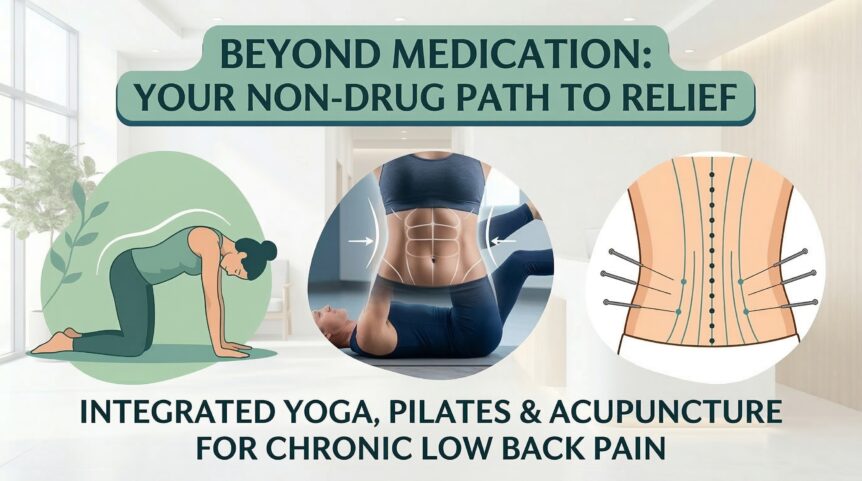
Yoga, Pilates & Acupuncture for Chronic Low Back Pain: What Really Helps?
Share this Post
If your lower back has been hurting for months, you are not alone. Chronic low back pain is one of the most common reasons people visit the doctor. It can make simple things—like sitting at a desk, picking up your kids, or even sleeping—feel really hard.
Medicines and shots can help. But many people want other ways to feel better, too. That’s where yoga, Pilates, and acupuncture come in. All three have real research behind them, and at Core Medical & Wellness in Lyndhurst, NJ, we use them alongside medical care every day.
What Is Chronic Low Back Pain, Exactly?
Your lower back does a lot of heavy lifting—literally. It supports your body when you stand, walk, bend, and carry things. When this area hurts on most days for more than three months, doctors call it chronic low back pain.
This kind of pain can limit your work, your hobbies, and your time with family. It can also drag down your mood and your sleep. The good news? You have more options than you might think.
Why Movement and Mind–Body Care Matter
Research shows that gentle exercise and mind–body therapies can make a real difference for people with long-lasting back pain. These approaches work by:
- Building stronger muscles around your spine so it gets more support.
- Improving your posture, balance, and flexibility.
- Lowering stress—because stress actually makes pain feel worse.
- Helping you trust your body again and feel safe moving.
We usually suggest pairing these with other care, like physical therapy, better sleep habits, and staying at a healthy weight.
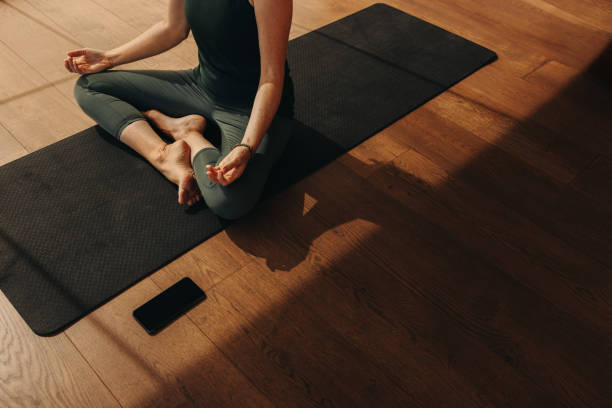
Yoga combines gentle poses, deep breathing, and meditation — all of which can help ease chronic low back pain over time.
Yoga for Back Pain: Stretch, Strengthen, and Breathe
What Is Yoga?
Yoga combines gentle poses, deep breathing, and relaxation. It has been around for thousands of years, but modern research is now catching up to what many people already know: it can ease pain.
What the Research Says
Studies have found that people with chronic low back pain who took a weekly yoga class for about 12 weeks moved better and hurt less than people who only had regular medical care. In fact, some research shows yoga works about as well as a standard physical therapy program for this kind of pain.
Yoga helps your back because it:
- Strengthens your core and back muscles.
- Stretches tight hips, hamstrings, and lower-back muscles.
- Teaches you to notice how you move, so you avoid positions that hurt.
- Uses slow breathing to ease muscle tension.
What a Safe Yoga Program Looks Like
A good back-friendly yoga class uses gentle poses designed for people with pain. It avoids deep forward bends and strong twists at first. Most studies used one to two classes a week for about 12 weeks, along with simple moves to practice at home.
Safety Tips for Yoga
- Talk to your doctor first, especially if you have a disc problem or recent surgery.
- Let the teacher know about your pain and any limits.
- Stop any move that causes sharp or shooting pain.
- Start slow. You should feel a gentle stretch, not strain.
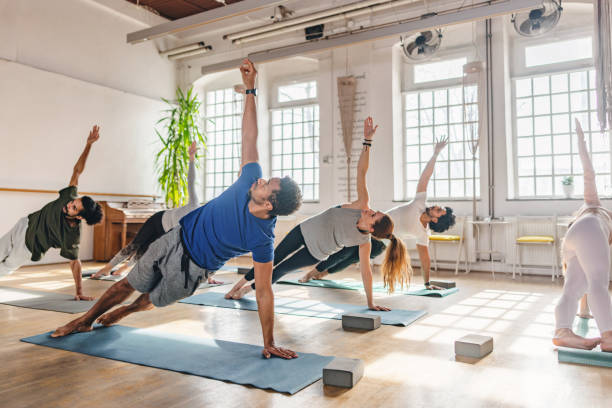
Pilates focuses on core strength, posture, and controlled movement — key ingredients for supporting a healthy spine.
Pilates for Back Pain: Build a Stronger Core
What Is Pilates?
Pilates focuses on core strength, good posture, and slow, controlled movement. Many of the exercises are small, careful motions that train the deep muscles around your belly, back, and hips. You can do Pilates on a mat or on special equipment.
What the Research Says
Several studies show that people who did Pilates for 6 to 12 weeks had less pain and found daily tasks easier. A 2023 research review confirmed that Pilates helps with both pain and function, especially in the short and medium term.
Pilates might be a great fit if you:
- Feel like your back is weak or unstable.
- Notice your posture could use some help.
- Get pain during quick or awkward movements.
What a Pilates Program Looks Like
A typical back-friendly program meets one to three times a week for 6 to 12 weeks. You start with easy exercises on a mat, often lying down. As you get stronger, the moves slowly become more challenging. The goal is to teach your body to support your spine during everyday life—not just during class.
Safety Tips for Pilates
- Pick an instructor who has worked with people who have back pain.
- Skip intense sit-ups or advanced moves in the beginning.
- Speak up right away if something hurts.
- Move slowly, breathe steadily, and never force a motion.
Acupuncture for Back Pain: A Different Kind of Relief
What Is Acupuncture?
Acupuncture comes from traditional Chinese medicine. A trained provider places very thin needles into specific points on your body. Most people are surprised that it causes little to no pain—you may just feel a small pinch, warmth, or a dull ache.
What the Research Says
Research shows that acupuncture can reduce chronic low back pain more than no treatment or standard care alone. It may also help people cut back on pain medicines. That is why many medical guidelines now list acupuncture as a non-drug option worth trying.
Scientists believe acupuncture works by:
- Helping your body release its own natural pain-relief chemicals.
- Calming overactive pain signals in your nerves and spinal cord.
- Relaxing tight muscles and boosting blood flow to sore areas.
What to Expect in a Session
During a visit, you will talk about your pain and goals. Then you lie on a table while the provider gently places thin needles in your back, hips, legs, or other key points. You rest with the needles in place for 15 to 30 minutes. Most people start with one or two sessions a week. Studies often use 6 to 12 sessions over several weeks.
Safety Tips for Acupuncture
- Make sure your acupuncturist is properly licensed.
- Tell them about any blood thinners, bleeding problems, or pregnancy.
- Mild bruising or tiredness after a session is normal, but report anything unusual.
Which Option Is Right for You?
There is no single best answer. Many people do best with a combination. Here is a quick way to think about it:
Choose yoga if you want gentle stretching, stress relief, and a class that calms your mind as much as your body.
Choose Pilates if you want to zero in on core strength, posture, and controlled exercise with close coaching.
Choose acupuncture if you want hands-on pain relief while you build up your exercise routine, or if you need a non-drug option.
Many of our patients start with acupuncture to calm the pain, then add yoga or Pilates to build strength and confidence over time. You do not have to pick just one.
How We Can Help at Core Medical & Wellness
At Core Medical & Wellness in Lyndhurst, NJ, we look at the whole person—not just the spine. We may recommend yoga, Pilates-style core work, or acupuncture alongside:
- A full medical evaluation and imaging when needed.
- Physical therapy and a home exercise plan.
- Injections or other procedures if appropriate.
- Coaching on sleep, stress, and healthy habits.
Our goal is simple: help you hurt less, move more, and feel confident in your body again.
If you have been living with chronic low back pain and want to explore natural treatment options, we are here to help. Contact us today to build a plan that fits your body, your goals, and your life.