


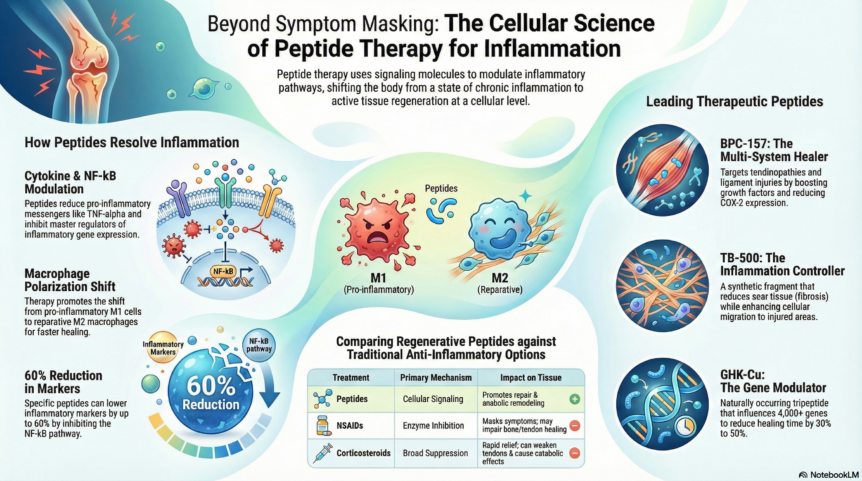
Peptide Therapy for Inflammation and Recovery: What You Need to Know
Chronic inflammation is at the root of many persistent pain conditions, from tendinitis and arthritis to post-surgical complications and autoimmune disorders. Traditional treatments like NSAIDs and corticosteroids provide temporary relief but come with significant drawbacks. Peptide therapy for inflammation offers a fundamentally different approach. Rather than simply suppressing symptoms, therapeutic peptides work at the cellular level to modulate inflammatory pathways …